
Wheel alignment is a critical aspect of heavy-duty truck maintenance that can significantly impact performance, safety, and cost-effectiveness. Understanding the importance of wheel alignment is essential for truck drivers and fleet managers alike.
Wheel alignment involves the precise adjustment of the angles of a truck’s wheels to ensure they are parallel to each other and perpendicular to the ground. This includes adjusting the camber (vertical tilt), toe (horizontal angle), and caster (forward or backward tilt) of the wheels.
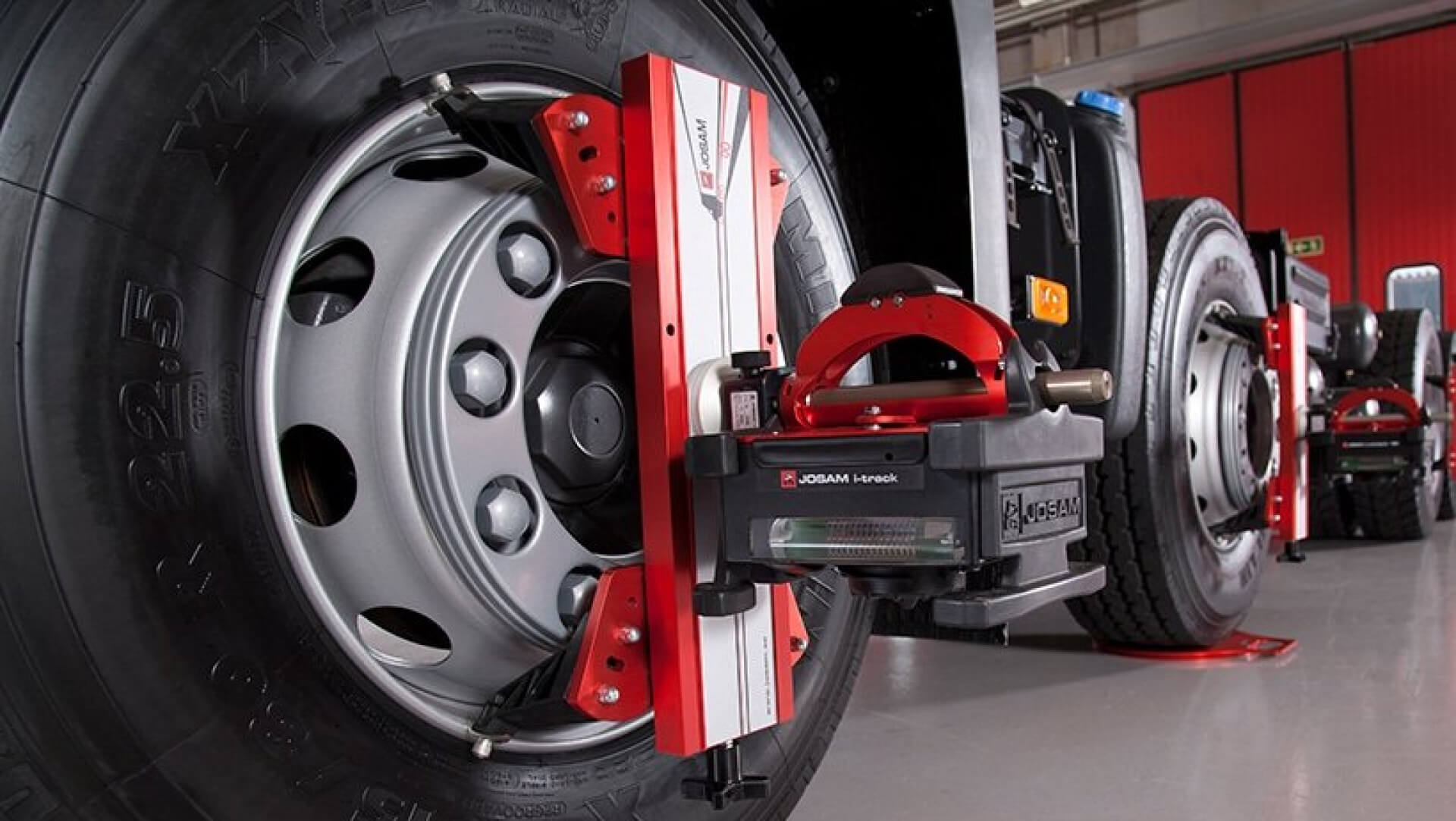
Proper wheel alignment offers numerous benefits:
- Improved Handling and Stability: Correct alignment enhances the truck’s handling and stability, ensuring optimal control even in challenging driving conditions.
- Extended Tire Life: Maintaining proper alignment can significantly extend the lifespan of the truck’s tires, leading to reduced tire-related expenses.
- Enhanced Fuel Efficiency: Misaligned wheels result in increased rolling resistance, forcing the engine to work harder and consume more fuel. Proper alignment can improve fuel efficiency.
- Increased Safety: Correct wheel alignment contributes to predictable handling and improved braking efficiency, promoting safer driving.
Neglecting wheel alignment can lead to various issues, such as uneven tire wear, reduced handling and control, and increased operating costs. Signs of misalignment include uneven tire wear, drifting or pulling to one side, and an off-center steering wheel.
To ensure optimal truck performance and safety, it is recommended to have the wheels aligned regularly, such as when purchasing new tires, after hitting a pothole or curb, after significant repairs, and as part of routine maintenance. Seeking professional services with specialized tractor-trailer wheel alignment expertise is advisable for the most accurate and effective alignment.
By prioritizing wheel alignment, heavy-duty truck operators can optimize their vehicles’ performance, enhance safety, and minimize long-term costs, ultimately contributing to the success and efficiency of their business.